 singaporecity360°
 Singapore culture, without the poster version
Who arrived when, who built what, and what to eat because of it.
Singapore is not one culture with variations. It is five communities that arrived at different times, for different reasons, and stayed — each with its own language, kitchen, calendar and buildings, all inside 730 square kilometres.
Most guides stop at "Chinese, Malay, Indian" and a photo of a temple. That misses the two communities that exist almost nowhere else: the Peranakans, born here out of intermarriage between Chinese traders and local women, and the Eurasians, whose families have been here since the 1600s. It also flattens the Chinese majority into one thing, when the temples, the dialects and half the dishes on a hawker menu belong to five distinct groups who could barely understand one another when they landed.
The five
Three are official races on your identity card. Two are not, and are the ones you cannot see anywhere else in the world.
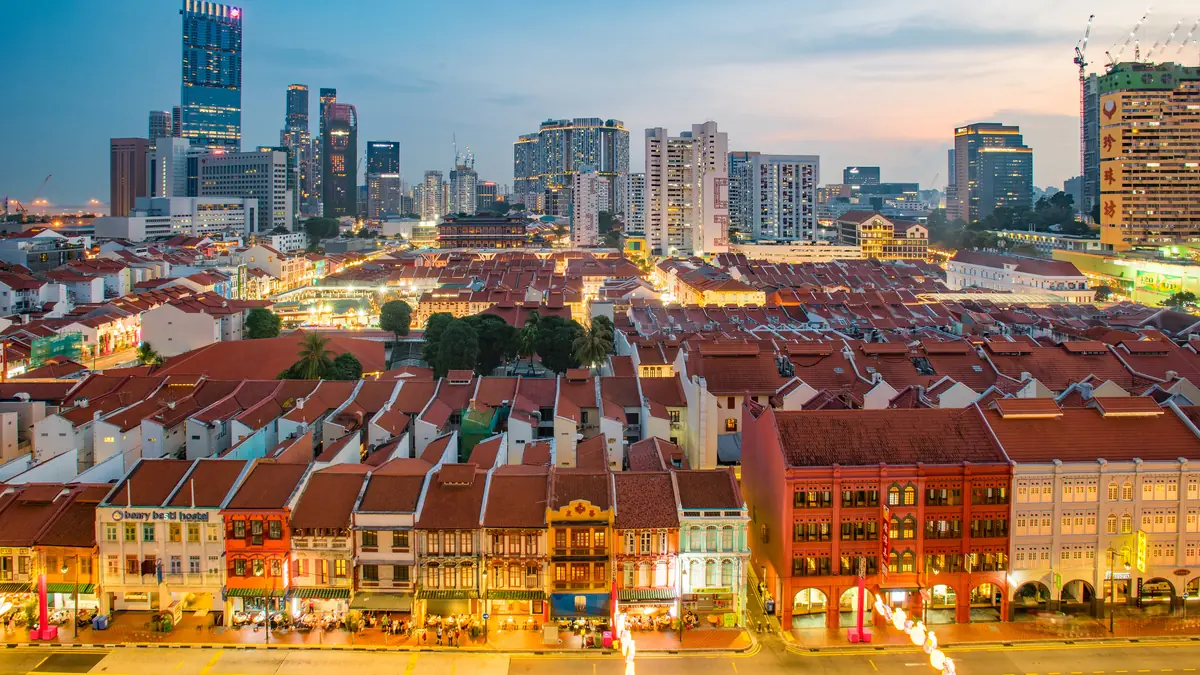
Chinese
the majority, and five communities inside it
One label, five communities. The dialect group your family came from still decides which temple you visit, which clan association holds your surname, and what your grandmother cooks.
Read on the five dialect groups →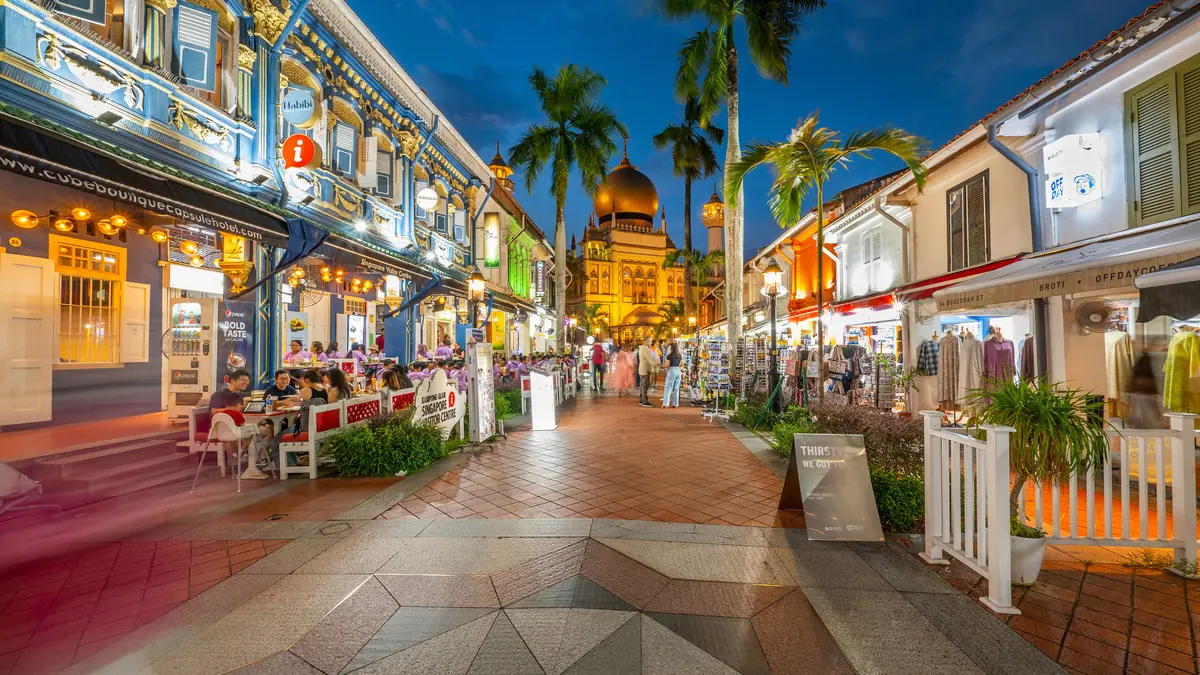
Malay
the people who were already here
Not immigrants to the region but indigenous to it. Malay is Singapore's national language, and the reason the anthem is sung in a language most citizens do not speak at home.
Read on malay Singapore →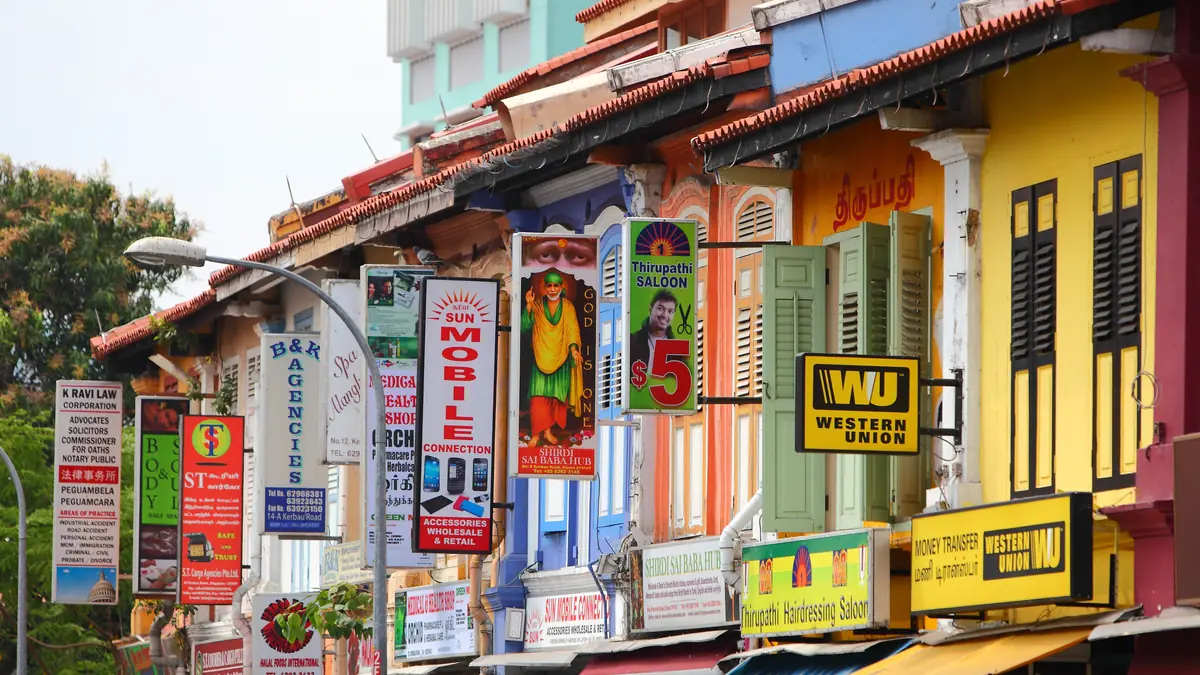
Indian
mostly Tamil, and much older than Little India
Tamil is one of Singapore's four official languages. The oldest Hindu temple here was founded in 1827 — not in Little India, but in the middle of Chinatown, where it still stands.
Read on indian Singapore →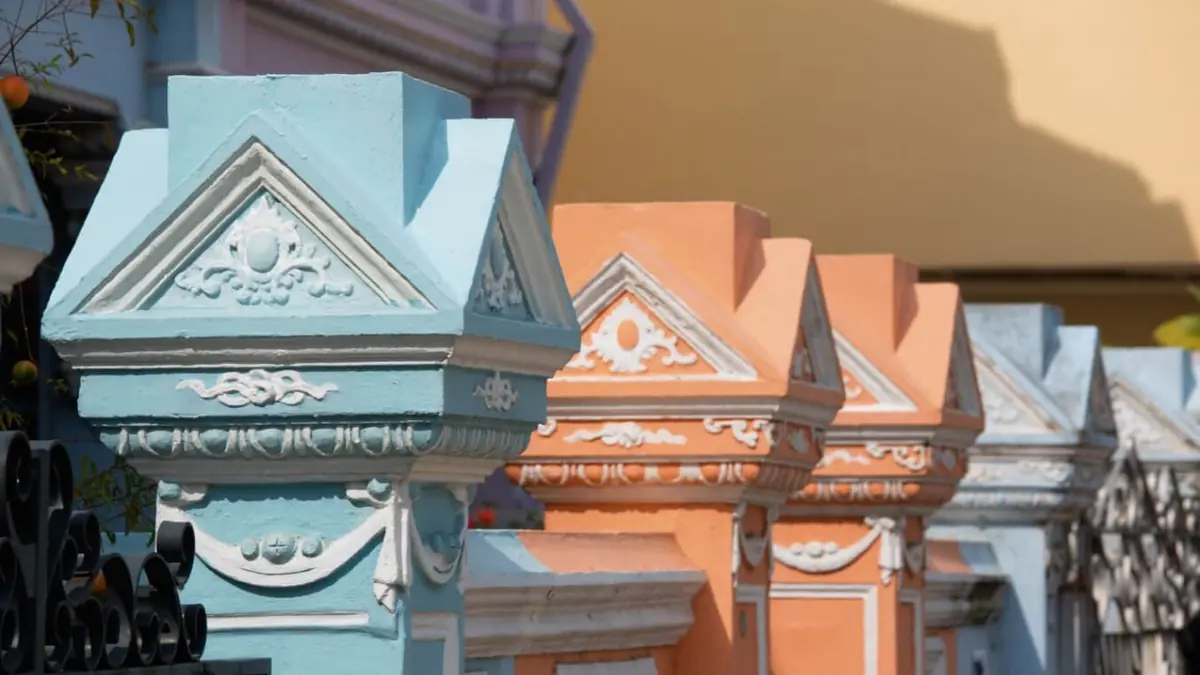
Peranakan
born here — the culture that exists almost nowhere else
Not an imported culture but a local one: what happened when foreign traders married local women and their descendants became something neither side recognised. The word means "locally born".
Read on peranakan Singapore →
Eurasian
here since the 1600s, and fewer than 20,000
The community nobody puts on a poster: European and Asian ancestry going back four centuries, with a language almost gone and a Christmas table worth crossing town for.
Read on eurasian Singapore →Visiting a place of worship
Nearly all of them welcome visitors, free, without booking. Four rules cover every one of them.
Cover shoulders and knees. Mosques lend robes at the door; temples generally do not. A scarf in your bag solves it everywhere.
Shoes off where you are told — every mosque, every Hindu temple, and the inner halls of some Chinese temples. There is always a rack.
Do not photograph people praying, and never step in front of someone facing a shrine. Buildings and courtyards are fine; ask before a ceremony.
Go outside prayer times at mosques — Friday midday is the one to avoid. Hindu temples are busiest at dawn and dusk, which is also when they are most worth seeing.
Use it on the ground
Facts on these pages were read from the National Heritage Board's Roots archive and from each place's own operator, and re-checked on 2026-08-02. Where we could not confirm something — an opening status, a price — we say so on the page rather than guessing.
Contains information from Tourist Attractions accessed on 2026-08-01 from data.gov.sg, made available under the terms of the Singapore Open Data Licence version 1.0.