how they got here, and what it left behind
The history that still shows
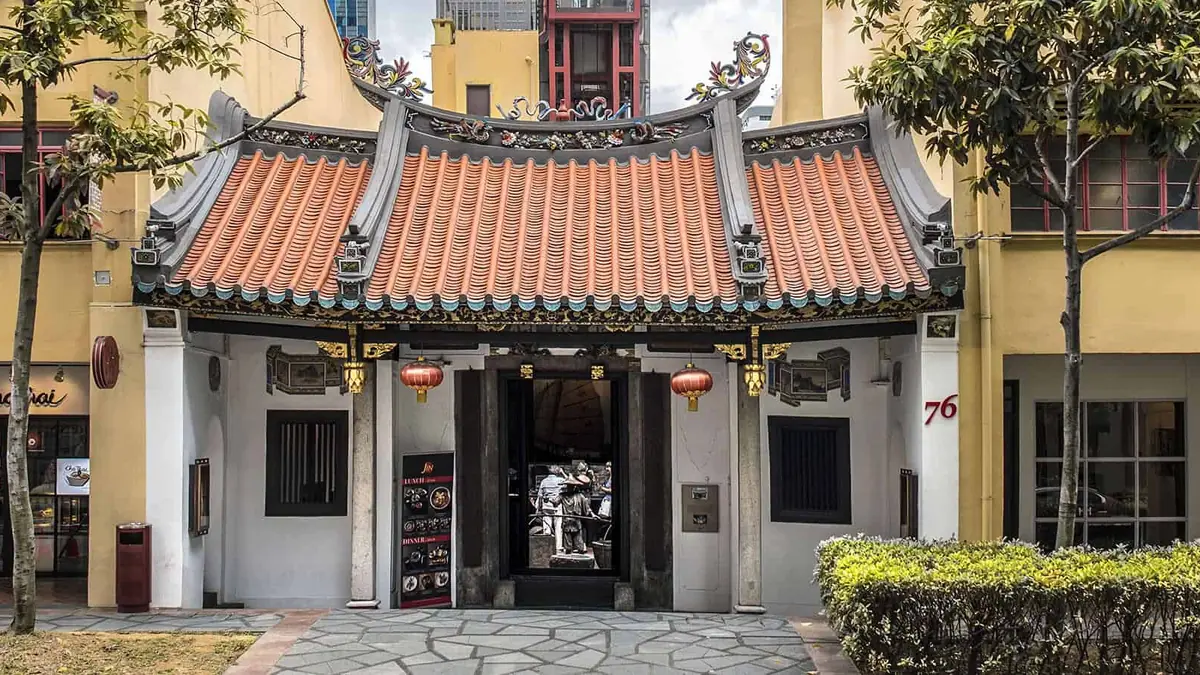
The Chinese who came to Singapore did not come as "the Chinese". They came as Hokkiens from southern Fujian, Teochews from the Chaoshan plain, Cantonese from the Pearl River delta, Hakkas from the inland hills, and Hainanese from the island. Each group spoke a language the others could not follow, worshipped its own patron deities, and organised itself around its own clan association — a bang — which ran its own temple, its own school, its own burial ground and its own credit.
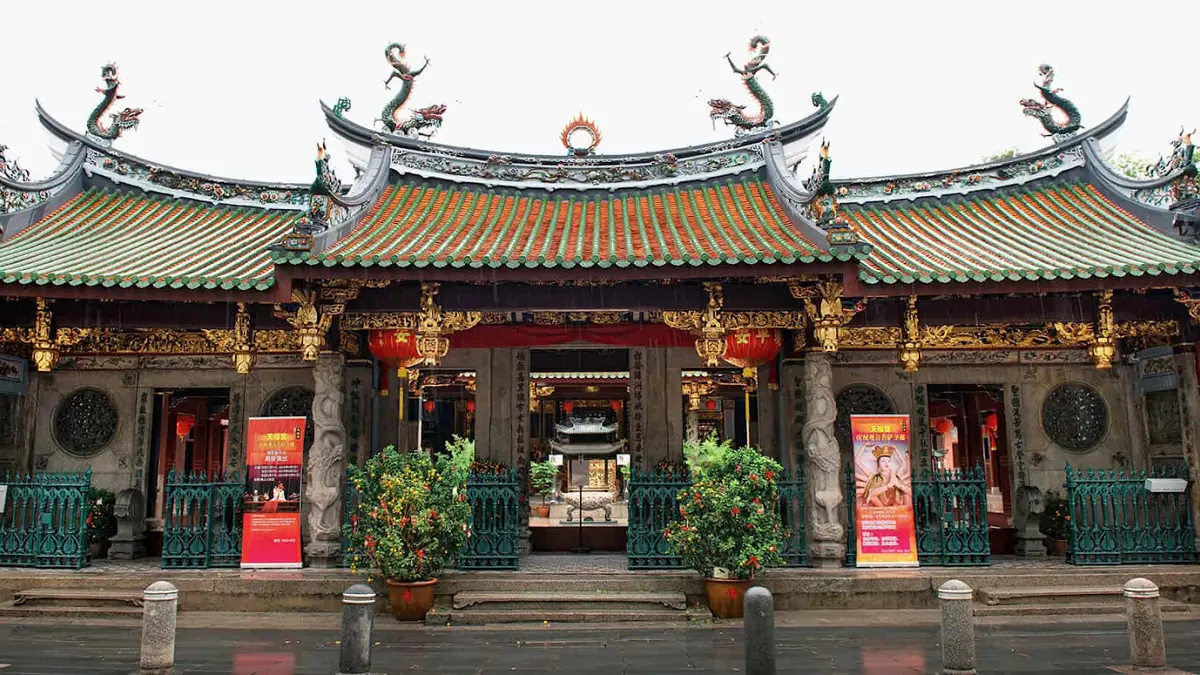
That is why Singapore has so many Chinese temples in such a small area, and why they are not interchangeable. A temple was infrastructure: the place a new arrival with no money and no English registered his surname, found work, and was buried from. The oldest of them predate almost every colonial building still standing.
The dialect groups also divided the work. Hokkiens dominated trade and shipping and ended up the wealthiest and most numerous. Teochews worked the river and the produce trade. Cantonese supplied the artisans, carpenters and goldsmiths. Hakkas took pawnbroking and Chinese medicine. Hainanese, arriving last and finding the trades taken, went into kitchens and coffee shops — which is why Hainanese chicken rice exists and why the kopitiam is a Hainanese institution.
The Speak Mandarin Campaign from 1979 pushed all of it into the background within about two generations. Under 40s often cannot hold a conversation in their own family's dialect. What survived is the food, the temples and the surnames.