Singapore now — —:— SGT
Vol. 01 · The Free & Easy Issue · S$0 to use, forever
singaporecity360°
here since the 1600s, and fewer than 20,000

Eurasian Singapore

The community nobody puts on a poster: European and Asian ancestry going back four centuries, with a language almost gone and a Christmas table worth crossing town for.

Eurasian Heritage Centre — museum in the East Coast, Singapore

At a glance

SHARE OF RESIDENTS

Counted under "Others" — a small fraction of residents

ARRIVED

From the 1600s onwards via Portuguese Malacca, then Dutch and British Ceylon, India and Malaya. Some Singapore Eurasian families trace fourteen generations.

LANGUAGE

English at home for generations. Papia Kristang — a Portuguese-based creole carried from Malacca — survives with very few speakers and is the subject of an active revival effort.

how they got here, and what it left behind

The history that still shows

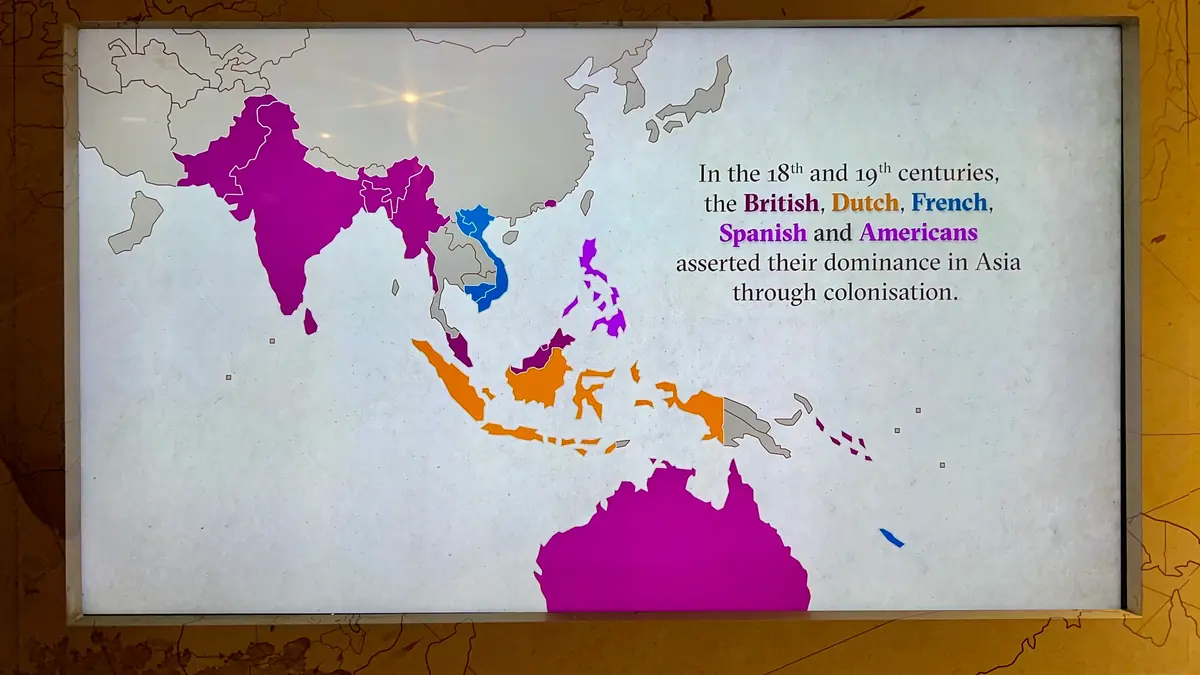
The Eurasians came out of the same process as the Peranakans — European men, Asian women, descendants who belonged to neither — but through Portuguese Malacca, captured in 1511, and then through Dutch and British colonial service. Names tell the history: de Souza, Pereira, de Cruz from the Portuguese; Westerhout and Klassen from the Dutch; Scully and Clarke from the British.

Under the British they filled the clerical and technical middle of the colonial machine — the railways, the post office, the courts, the police, teaching and nursing. That made them visible and useful, and it also made them awkward after independence: a community defined by mixed European descent in a country organising itself around three Asian races. Eurasians are counted under "Others" in the census.

The Eurasian Association was formed in 1919 and the community has been recognised as one of Singapore's founding communities since — with its own self-help body alongside the Chinese, Malay and Indian ones. The Eurasian Community House on Ceylon Road holds a heritage gallery built with the National Heritage Board.

The strongest surviving thread is the kitchen. Devil's curry — curry debal — is a Christmas dish built from leftovers, vinegar and a serious quantity of chilli. Sugee cake is made with semolina and almonds and is the thing Eurasian families are judged on. Both are hard to find commercially, which is exactly why they matter.

all free to enter unless we say otherwise

Where to see it

Places of worship, museums and the streets the community actually built.

Eurasian Heritage Centre — museum in the East Coast, Singapore
The only place that tells this story

Eurasian Heritage Gallery

Inside the Eurasian Community House on Ceylon Road, developed with the National Heritage Board. Small, and the only dedicated account of the community in Singapore. There is also a virtual tour if you cannot get out east.

139 Ceylon Road, Singapore 429744

Ticketed
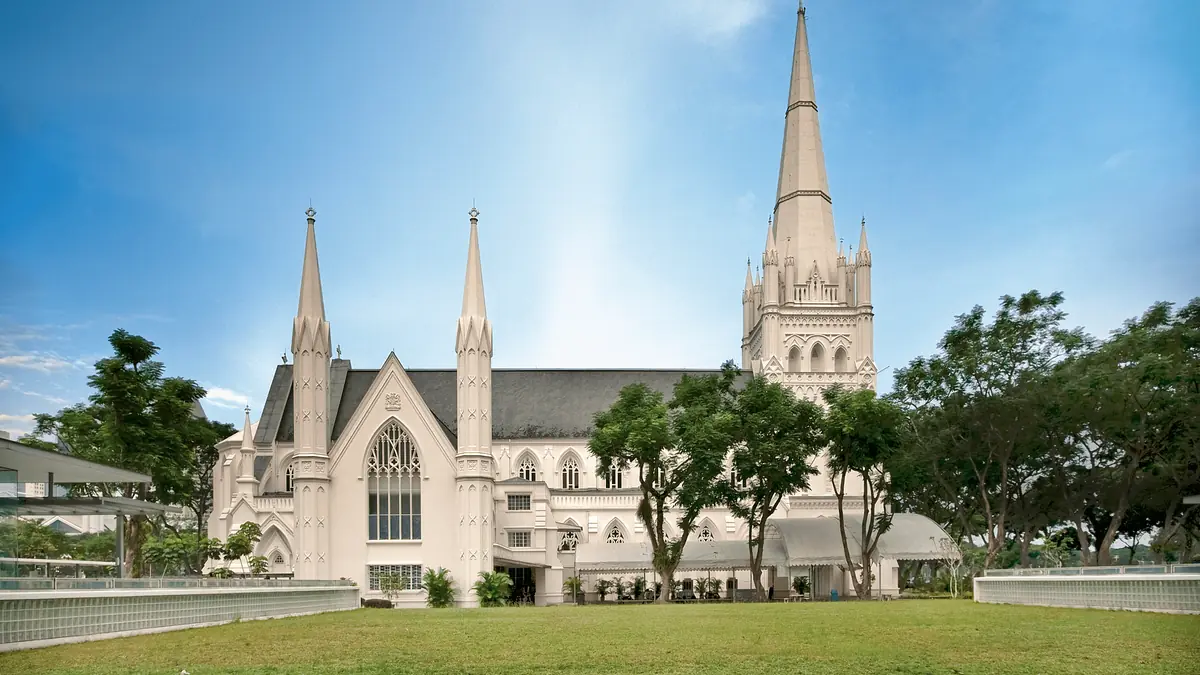
St Andrew's Cathedral — heritage site in the Civic District, Singapore
Built by Indian convict labour

St Andrew's Cathedral

The Anglican cathedral in the Civic District, constructed with transported Indian convict labour in the 1850s — a reminder that the colonial buildings and the immigrant histories are the same story.

Free to enter
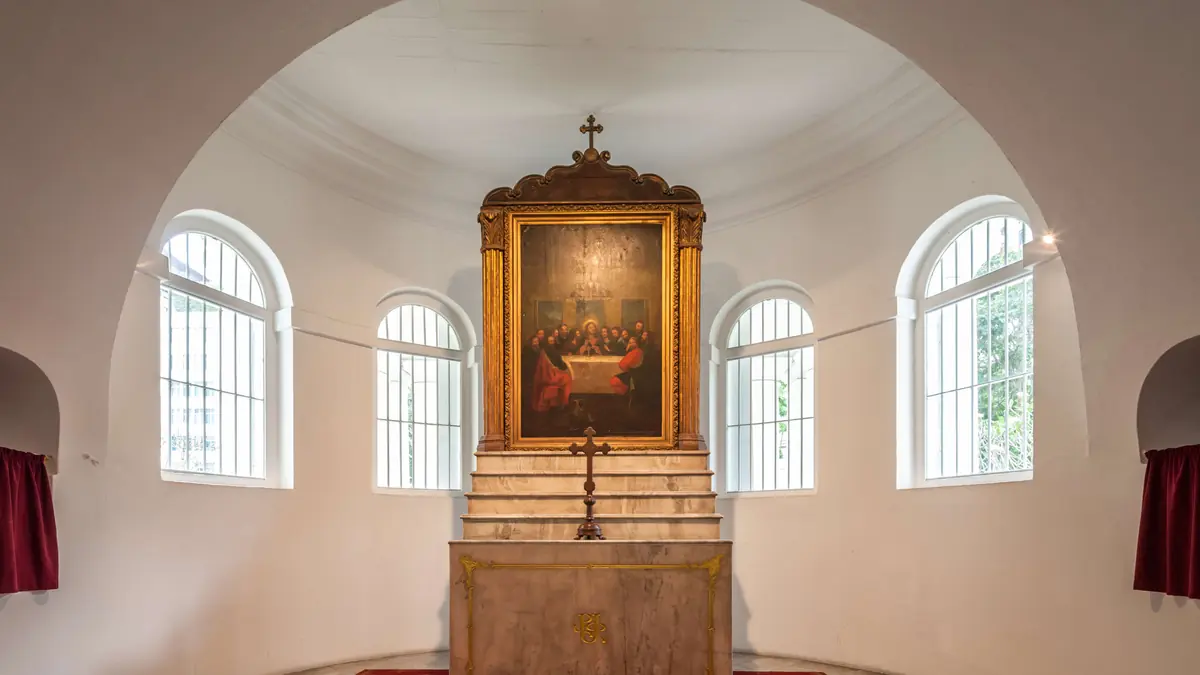
Armenian Church — heritage site in the Civic District, Singapore
The oldest church in Singapore, 1835

Armenian Church

Built by a tiny Armenian merchant community — twelve families or so — and still standing on Hill Street. Agnes Joaquim, who bred the orchid that became the national flower, is buried in the memorial garden.

Free to enter
CHIJMES — heritage site in the Civic District, Singapore
A convent, now a courtyard of restaurants

CHIJMES

The Convent of the Holy Infant Jesus — a Catholic girls' school and orphanage that many Eurasian families passed through, its Gothic chapel now an events hall surrounded by bars.

Free to enter
the most reliable way in

Eat it

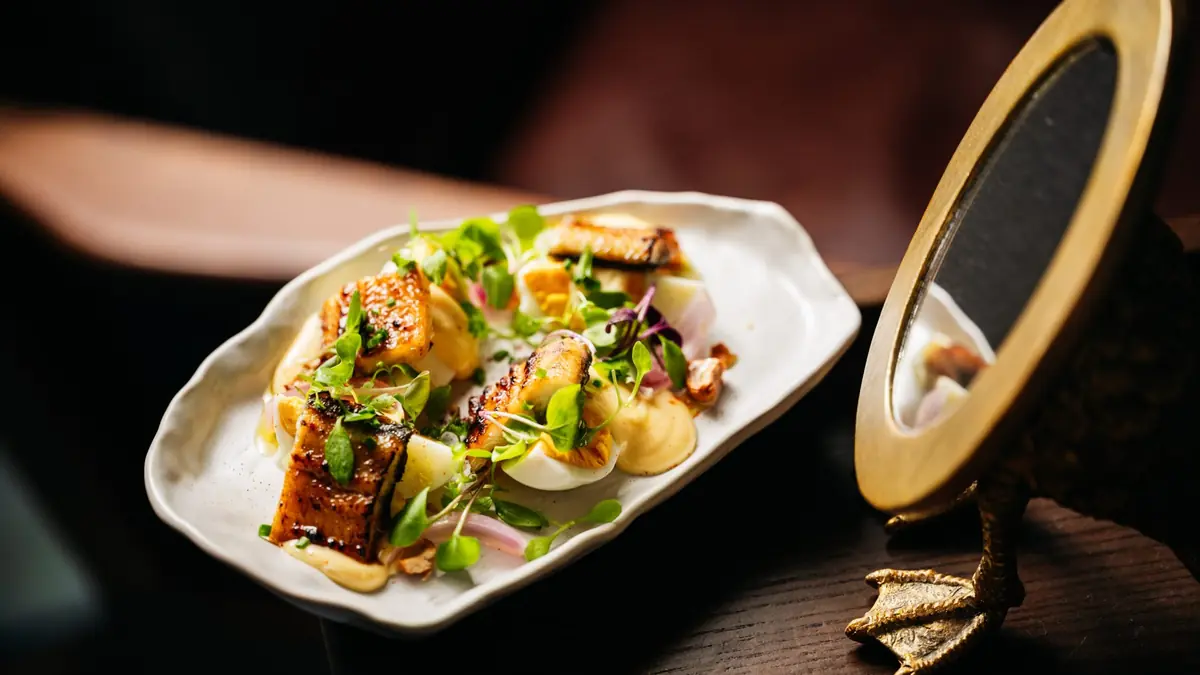
Devil's curry (curry debal), sugee cake, feng, pork vindaloo in the Malaccan rather than Goan style, and shepherd's pie that has met sambal. Rarely on restaurant menus — the Eurasian Community House and community events are the realistic route to eating it.

Where to eat all of this →

dates move — check the year

The calendar

Most of these follow lunar or Islamic calendars, so they shift against the Gregorian year. Public holidays close some attractions and fill others.

Christmas

December

The community's main event, and the only reliable time devil's curry and sugee cake appear in quantity.

Easter

March or April

Observed at St Joseph's and the Catholic churches with long-standing Eurasian congregations.

the other four

Keep going

Facts here were read from the National Heritage Board's Roots archive and each place's own operator, and re-checked on 2026-08-02. Anything we could not confirm is flagged on the card rather than smoothed over.