 singaporecity360°
 Coney Island Park
Coney Island Park occupies an 81-hectare island off Punggol Point on Singapore's north coast, reached only on foot or by bike across a bridge at either end — there are no cars on the island itself.
Five things to know first
Closed from 11 August 2026 to 31 December 2027 for upgrading works, along with the adjacent car park. Only the toilets remain accessible. Do not make the trip.
Wild boar live here and can be aggressive, especially with young. Stay on the marked paths and never feed them. Stray dogs and macaques too.
Box jellyfish have been reported in the water here. Do not swim.
Almost no shelter, no drink stalls and full exposure. Bring water; long trousers and covered shoes help against the insects.
There is no car park on the island — the nearest is Punggol Settlement. No camping or fishing, and do not enter the derelict Haw Par Beach Villa.
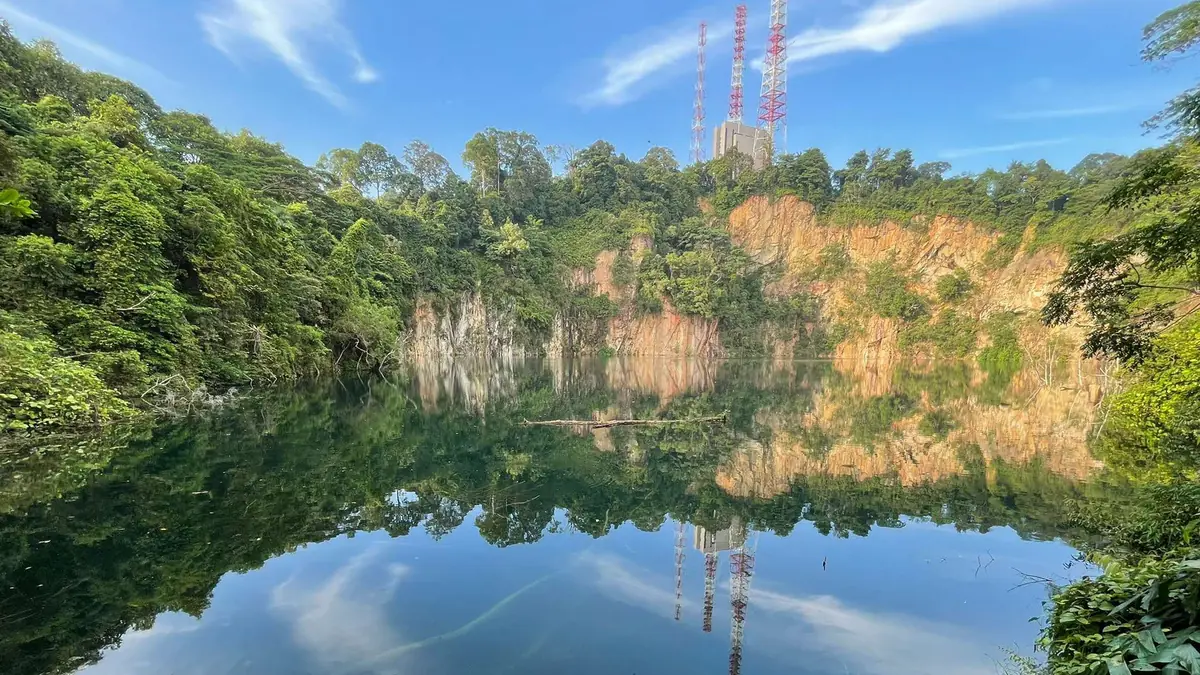
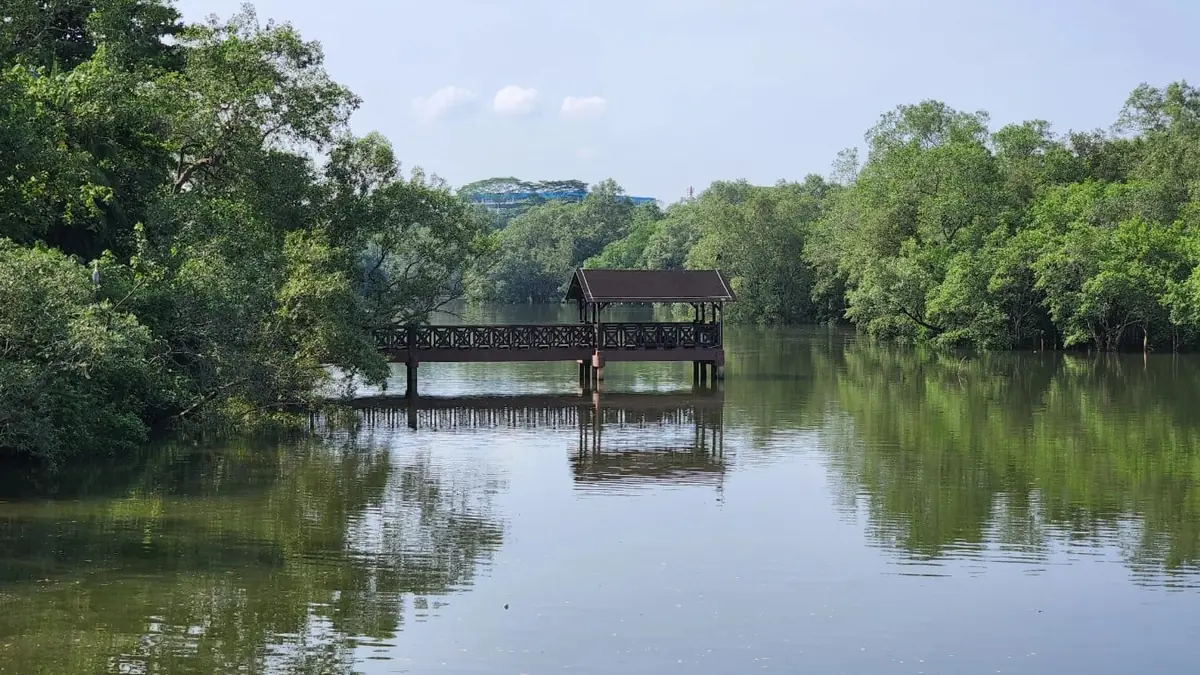
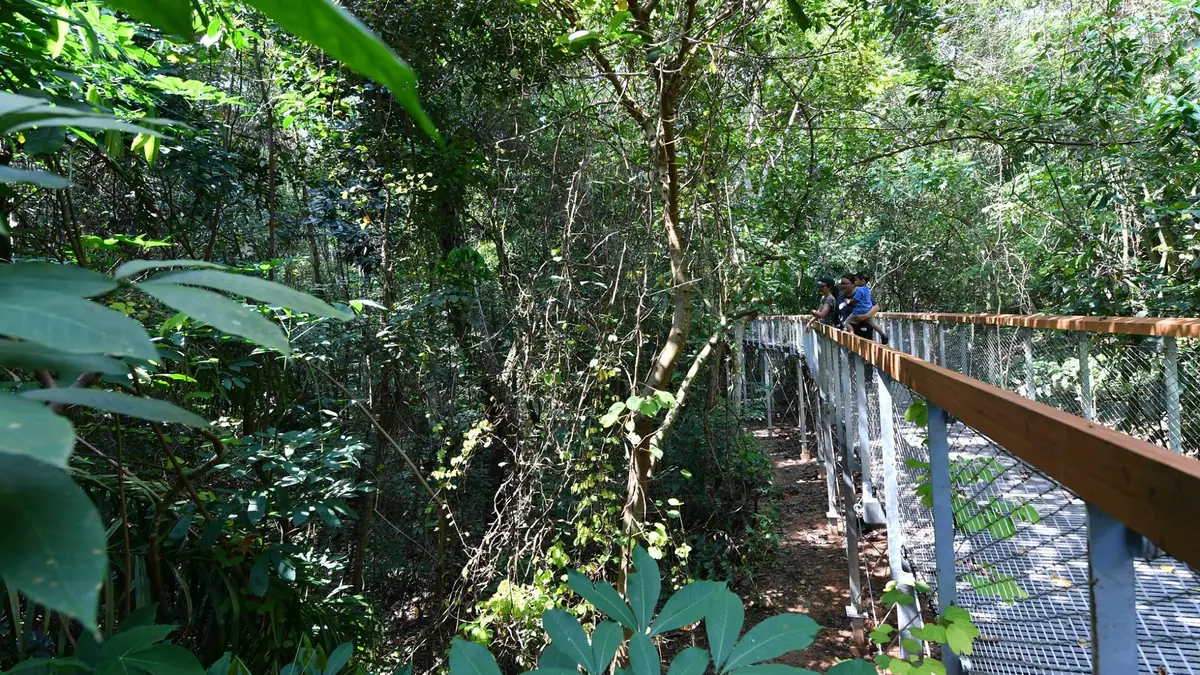
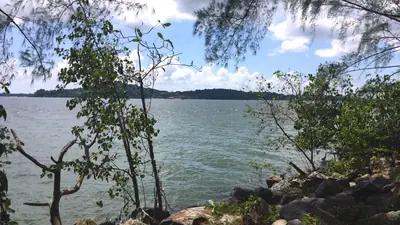
Formerly Pulau Serangoon, it has been kept deliberately rustic by NParks: Casuarina woodland, a mangrove boardwalk, an estuary where you can watch mudskippers and tree-climbing crabs, and five stretches of beach strung along the roughly 2.5km spine between the West and East entrances. Entry is free and it opens 7am to 7pm daily. Most people come to walk or cycle the length of it rather than to tick off any single attraction.
It sits just east of Punggol Point Park and Punggol Settlement, which is where the nearest food, car park and bus stop are. Take bus 84 from Punggol Interchange to Punggol Point / Punggol Settlement and walk about 500m east along the Punggol Promenade to the West entrance; there is no car park on the island itself, so drivers use the Punggol Settlement car park.
The park closes entirely — along with its adjacent car park — from 11 August 2026 until 31 December 2027 for upgrading works, with only the toilets kept open, so check the NParks page before planning anything in that window. Whenever it is open, bring your own water: there are no shops, cafes or drink stalls anywhere on the island, and the beaches and open tracks give little shade in the middle of the day.
Rain, heat, and what to do about it
Live readings and forecasts from NEA. Four days is the limit — past that, nobody is forecasting, they are showing you an average.
Southwest Monsoon
June to September
Short, sharp early-morning showers and occasional squall lines. Drier overall than the northeast wet phase.
The other good window. Rain tends to arrive early and clear, leaving usable afternoons. This is also when haze can occur, which is worth checking rather than assuming.
Plan your Coney Island Park stop
Straight-line distance from the three places a visitor has already heard of.
15km
north-east
15km
north-east
9.8km
north-west
Coney Island Park, in every light
Nearby, on foot
In The North — close enough to collect on the same trip out.