 singaporecity360°
 Alipay & WeChat Pay in Singapore
Where your phone just works, where it quietly won't, and what to keep in your pocket for the gaps.
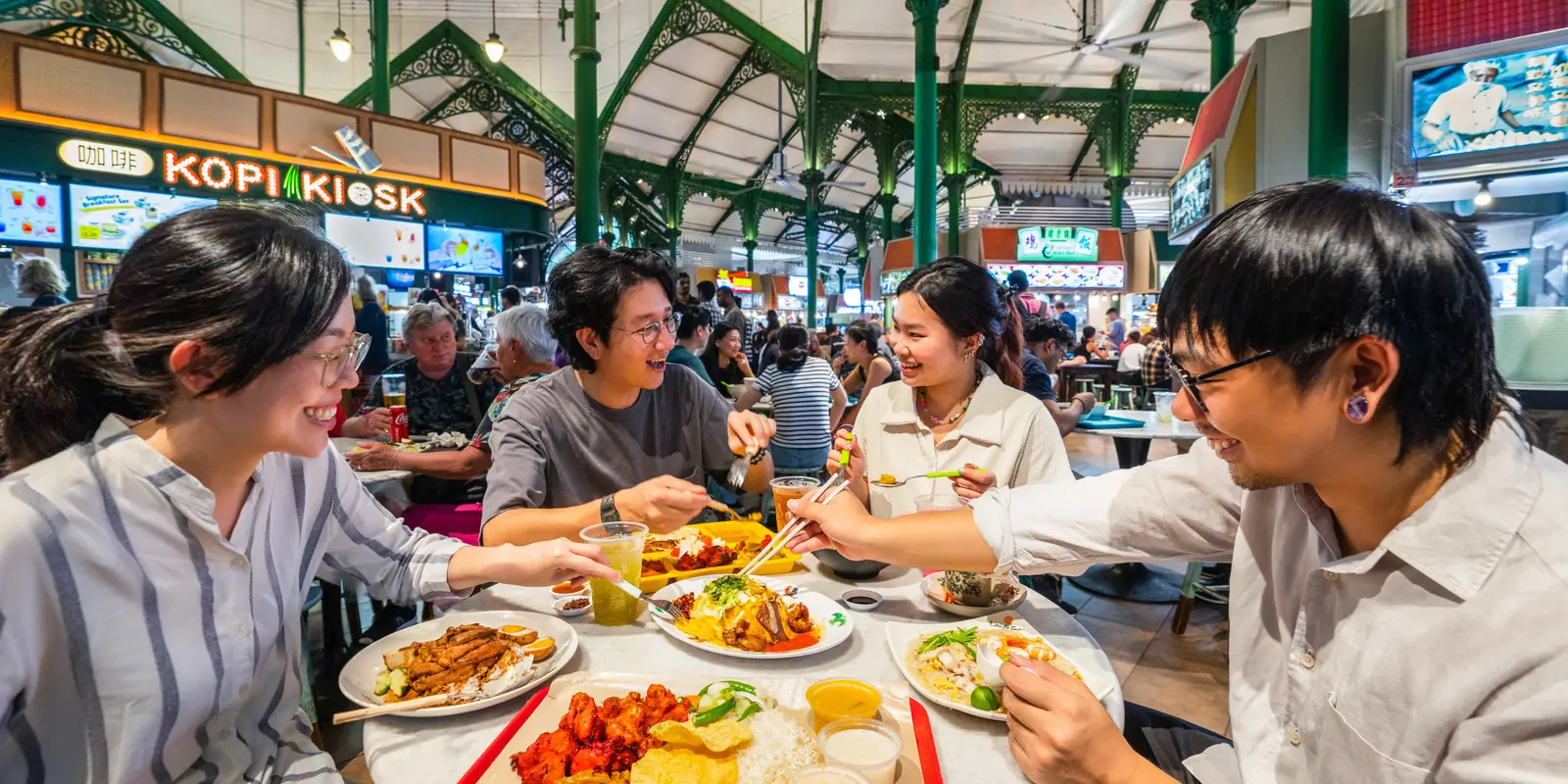
Yes — Alipay and WeChat Pay work at lots of shops, food stalls and taxis in Singapore. But not everywhere: each shop chooses whether to accept them, so always check the QR code first. Keep a tap-and-go bank card and a bit of cash for the places that don't. And for the MRT and buses, use a card — your Alipay or WeChat QR won't work there.
Can I pay here?
The six situations every visitor hits in the first day. Green works, gold is hit-and-miss, coral means don't try.
- works Malls & big retail Orchard, VivoCity, Jewel — widely, at Alipay+ merchants
- works ComfortDelGro taxis Pay by wallet (S$0.30 fee) — NOT card (10% surcharge)
- sometimes Hawker & kopitiam ~11,500 stalls, but stall by stall — check the logo
- sometimes Changi & Jewel shops Selected outlets, not every store
- no Grab rides Cash, card or GrabPay — no direct mainland wallet
- no MRT & buses Contactless card or EZ-Link — never the QR
What SGQR actually is
In most countries, every payment app has its own QR code. Singapore did something smarter. Back in 2018 the government made one shared QR code, called SGQR — the first of its kind in the world. One sticker can take lots of different apps, so a shop shows a single code instead of ten. Here's the catch, and it's the whole secret to paying here: the sticker is just a box. What matters is which apps the shop has switched on inside it. If yours isn't switched on, the code won't take your money — even though it looks exactly the same.
In November 2024 Singapore switched on an upgrade called SGQR+. This is the part that helps visitors from China: it lets one code accept many more apps, including foreign ones like Alipay and WeChat Pay. It's run by Singapore's central bank (MAS) with the partners listed below.
- Alipay
- Alipay+
- UnionPay
- GrabPay
- ShopeePay
- NETS
- EZ-Link
- Changi Pay
- Singtel Dash
- Visa
- Mastercard
- Diners
- Discover
- Google Pay
- DuitNow
- PromptPay
- ActiveSG
- GLN
- LiquidPay
- Moolahgo
- iAPPS
- XNAP
Your app is on that list. But being on the national list is not the same as being switched on at the noodle stall in front of you — so always check the code before you order.
Where it works well
Tourist-facing retail and food are the sweet spot; the odds fall as the shop gets smaller and older.
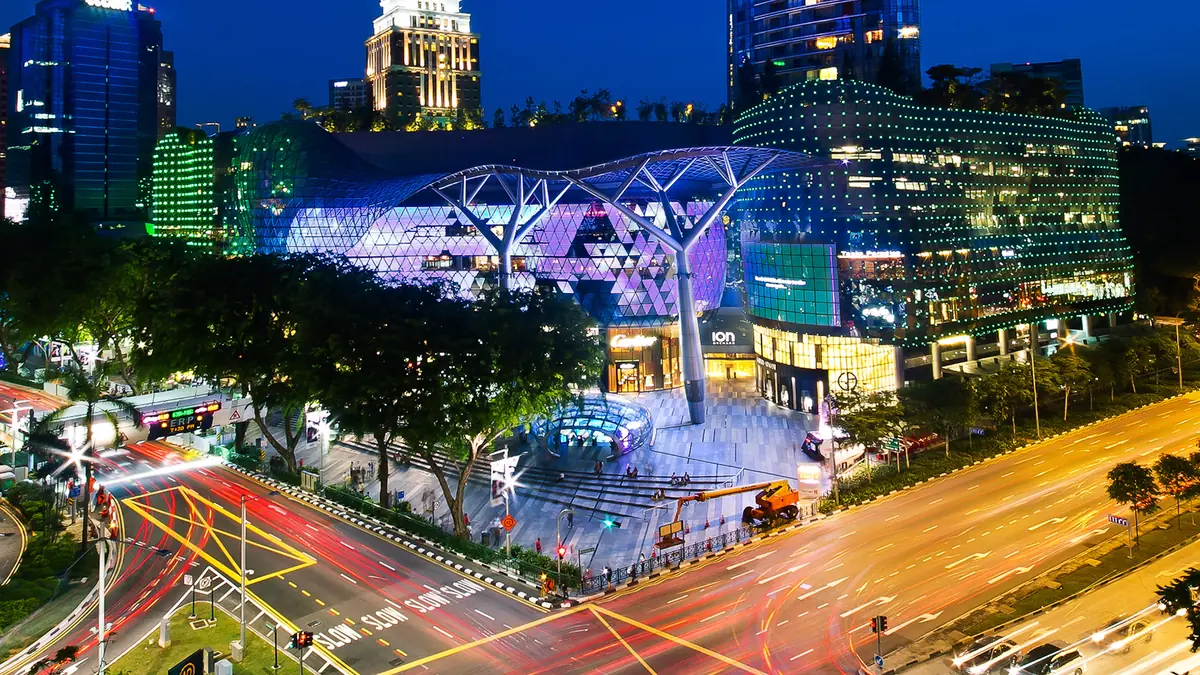
In September 2025, more than 500 FairPrice Group outlets — supermarkets, convenience stores, pharmacies and food courts — began taking cross-border payments from 18 Alipay+ partner wallets. Malls along Orchard, VivoCity and Jewel are broadly covered.
At hawker centres and kopitiam the coverage is real but uneven: roughly 11,500 stalls take e-payments, yet it's genuinely stall by stall and the oldest uncles may still be cash-only. At Changi and Jewel, treat it as selected shops, not every counter.
We don't claim "every 7-Eleven / mall / duty-free takes it" — acceptance is enabled per outlet. Read the logo strip on the code.
Singapore's QR code is linked up with its neighbours', so you just pay with the app you already use at home — it swaps the money to Singapore dollars for you, right in the app. That covers Alipay, WeChat and UnionPay (China), Touch 'n Go (Malaysia), PromptPay (Thailand), QRIS (Indonesia), GCash (Philippines) and Kakao Pay (Korea). No need for a Singapore app at all.
Not for the MRT
This is the single most common wrong assumption Chinese visitors arrive with.
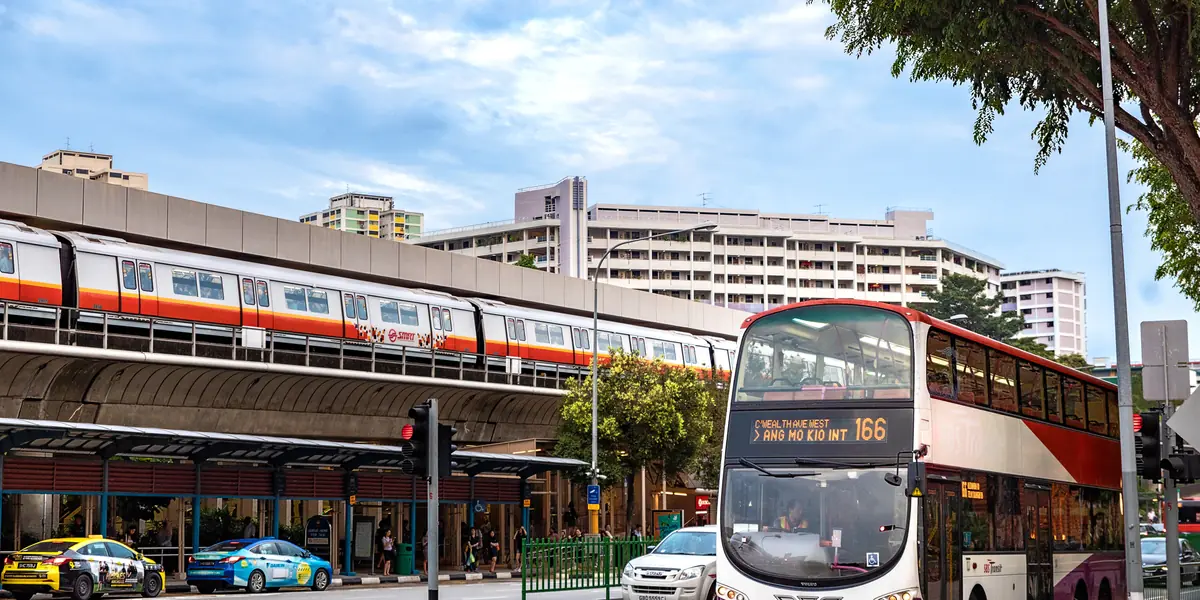
A standalone Alipay or WeChat QR is not a transit payment method. At MRT gates and on buses, tap a contactless Visa, Mastercard or UnionPay card, a bank-card wallet (Apple Pay, Google Pay), or a local SimplyGo / EZ-Link card. Use one card the whole trip, in and out.
A foreign Visa or Mastercard used for transit carries a S$0.60 per-day SimplyGo admin fee, plus your bank's own foreign-currency charge. A local EZ-Link avoids it.
Five things worth knowing
The specifics generic guides skip — each one saves you money or a fumble at the counter.
- Link an Alipay+-supporting wallet before you fly — that is what unlocks the ~11,500 hawker, coffee-shop and market SGQR stalls without cash.
- At any stall, glance at the little logo strip under the SGQR label first. Your wallet only works if its logo (Alipay / Alipay+ / WeChat / UnionPay) is printed there — an SGQR sticker alone guarantees nothing.
- Use wallets and SGQR at hawkers, but carry one contactless UnionPay / Visa / Mastercard for the MRT and buses — a standalone Alipay/WeChat QR will not open a fare gate.
- In a ComfortDelGro taxi, pay by wallet (flat S$0.30), never by credit card (10% surcharge); and expect a S$0.60-per-day fee if you tap a foreign card for transit.
- Sticker prices already include 9% GST, but your Chinese bank adds a cross-border FX fee on top — the final yuan charge can beat the label, so budget for both.
Before you fly
All of this is easier on your home Wi-Fi than at a hawker counter with a queue behind you.
Install both apps, finish real-name / identity verification (WeChat may ask for an ID and face photo), and enable overseas transactions on your linked card. Alipay's "TourPass/TourCard" is for spending inside China — you don't need it here.
QR pay needs internet — sort roaming or a travel eSIM. You do not need a VPN: WeChat, Alipay, Xiaohongshu and Google Maps all work normally here.
eSIM & staying connected →There's no single "Alipay fee" — trust the SGD figure the app shows before you confirm. Ignore the "flat 3% over ¥200" myth; it describes specific setups, not every purchase.
Money, ATMs & best rates →Frequently asked
Can I use my mainland China Alipay account in Singapore?
Yes, at merchants whose acquirer has switched on Alipay / Alipay+ acceptance on their SGQR — but not at every shop showing an SGQR label. Look for the Alipay or Alipay+ logo on the code, and check the app confirms the merchant before you order or pay.
What is SGQR, and why doesn’t my wallet always work at one?
SGQR is Singapore’s single national QR label (launched September 2018) that can carry many payment schemes at once. But each merchant’s bank decides which schemes are switched on, so a code built only for PayNow or a local bank will reject a mainland wallet. The label is the shell; the enabled schemes are what matter.
Do I need a Singapore bank account or SIM to pay this way?
No Singapore bank account is needed — foreigners can’t easily open one anyway, so your home app is the workaround. You do need mobile data (roaming or a travel eSIM) and, on WeChat, to have completed real-name identity verification. No VPN is required in Singapore.
Can I pay for a taxi or a Grab ride with these wallets?
ComfortDelGro taxis accept Alipay and WeChat Pay with a flat S$0.30 admin fee — far cheaper than paying by credit card, which adds about 10%. For Grab, don’t count on direct mainland-wallet payment for rides; keep a card, cash or GrabPay ready.
Can I tap into the MRT or a bus with Alipay or WeChat Pay?
No — a standalone Alipay or WeChat QR is not a transit method. Use a contactless Visa, Mastercard or UnionPay card, a bank-card wallet (Apple Pay, Google Pay), or a SimplyGo / EZ-Link card. A foreign card on transit carries a S$0.60-per-day admin fee under SimplyGo.
Are there fees for paying by wallet?
At hawker stalls under Hawkers Go Digital there is no consumer admin fee — the small merchant discount rate is borne by the stallholder. But your own bank or wallet can still add a cross-border FX fee, so check the SGD figure in the app before you confirm a large purchase.
What we won't print as fact
A payments page is only as good as its shakiest claim, so here are the ones we deliberately don't make.
- An exact live merchant count
MAS/IMDA's last hard figure is 203,000+ (2022); we don't invent a 2026 number.
- "Every 7-Eleven / mall / duty-free takes it"
Acceptance is enabled per outlet and varies by branch — no chain-wide blanket.
- "Grab rides take Alipay/WeChat directly"
Grab shows cash, cards and GrabPay for rides; treat direct wallet payment as unconfirmed.
- "The app always beats a money changer"
Sometimes yes, sometimes no. Compare at the moment of a large payment.
Grounded in MAS/IMDA, NETS, Enterprise Singapore, LTA, SimplyGo, ComfortDelGro, IRAS/MOF and Wise sources, then figure-checked, on 2026-08-07. Fees and coverage change — confirm at the point of payment.